
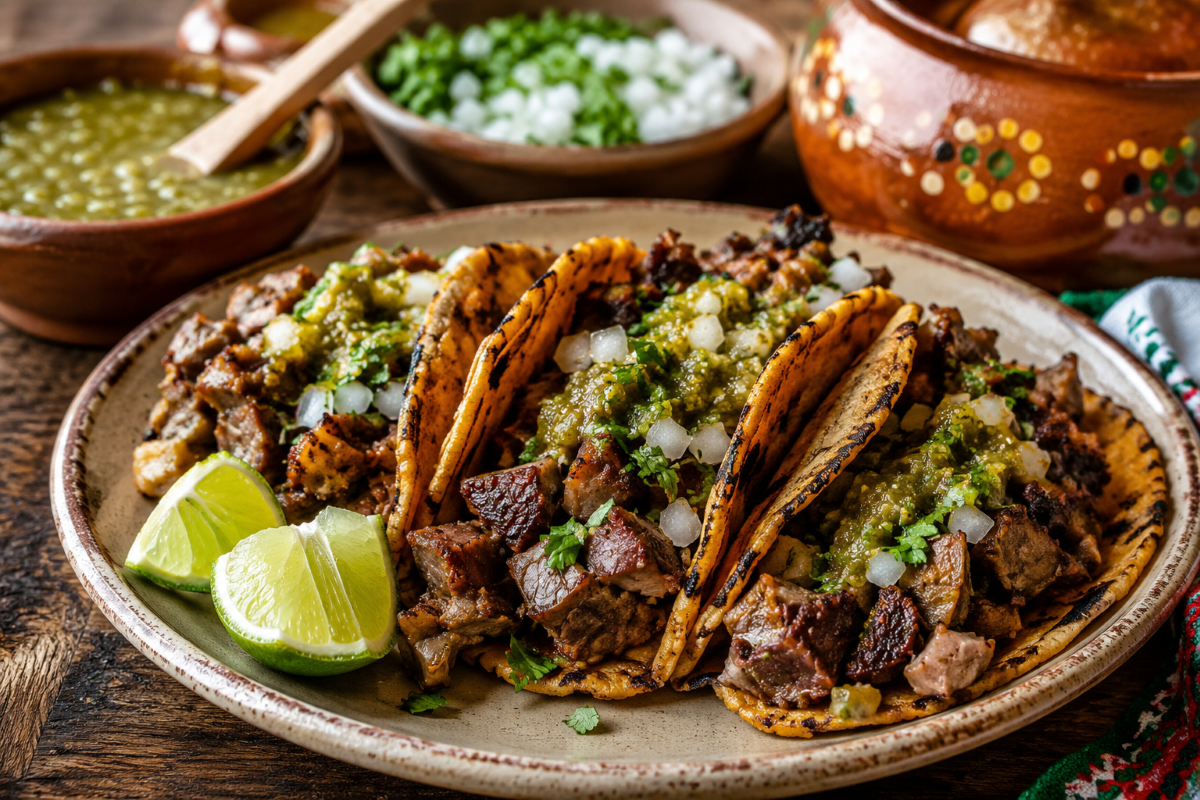
Most Americans never order tripas the first time they see them on a taquería menu.
Part of that comes from the name. Part of it comes from learning that tripas are made from beef intestines. For some people, that’s the end of the conversation before it even starts.
But for generations of taco lovers across Mexico, tripas have been a prized taco filling known for their rich flavor, unique texture, and ability to transform depending on how they’re cooked.
That’s where the real debate begins.
Some people swear tripas should be cooked until they’re tender and slightly chewy. Others won’t touch them unless they’ve been crisped on the plancha until golden brown and crunchy around the edges.
Neither side is wrong.
Both styles have deep roots in Mexican taquería culture, and both deliver something completely different in every bite.
If you’ve never tried tripas tacos before, this recipe will show you how to make them at home and decide for yourself which side of the debate deserves your loyalty.
At a Glance
What Is It?
Tripas tacos are tacos made from cleaned and cooked beef intestines.
Where Is It From?
Tripas are enjoyed throughout Mexico and are especially common at traditional taquerías, taco stands, and street food vendors.
What Makes It Special?
Tripas can be served soft and tender or fried until crispy, creating two completely different taco experiences from the same ingredient.
Why You’ll Love This Recipe
- Authentic taquería-style flavor at home
- Make them crispy or soft
- Great introduction to traditional Mexican tacos
- Budget-friendly compared to many cuts of beef
- Perfect for adventurous eaters and taco lovers alike
What Are Tripas?
Tripas are beef intestines that have been cleaned, cooked, and transformed into one of Mexico’s most distinctive taco fillings.
For many people in the United States, the idea of eating intestines can sound unusual at first. In Mexico, however, tripas are part of a long culinary tradition built around respecting the animal and making use of every cut rather than letting anything go to waste.
When properly prepared, tripas become tender, flavorful, and surprisingly approachable. They don’t taste nearly as intimidating as they sound.
Traditional taquerías typically begin by thoroughly cleaning the tripas before simmering them for several hours until tender. From there, they may be chopped and served soft or finished on a hot griddle until the edges become crispy and deeply browned.
The result is a taco with a loyal following and a flavor profile unlike almost anything else on the menu.
While tripas may not be everyone’s first taco order, they’re often one of the most memorable once people finally give them a chance.
What Do Tripas Taste Like?
One of the biggest misconceptions about tripas is that they’re strong or overwhelming in flavor.
In reality, properly prepared tripas have a rich beefy taste that’s much milder than most people expect.
The texture is what usually stands out first.
Soft tripas are tender with a slight chew that many people compare to slow-cooked beef or richly braised meat. They absorb seasonings well and pair beautifully with bright toppings like onion, cilantro, salsa, and lime.
Crispy tripas are a completely different experience.
When finished on a hot plancha, the exterior becomes golden brown and crunchy while the inside remains tender. The added browning creates deeper roasted flavors and a satisfying contrast in texture.
That’s why many taco lovers become so passionate about the crispy-versus-soft debate.
The two versions almost feel like entirely different tacos.
Why Tripas Have Been Popular for Generations
Long before modern food trends made nose-to-tail cooking popular, Mexican cooks were already practicing it.
Traditional Mexican cuisine developed around resourcefulness, family traditions, and making the most of available ingredients. Cuts that some people overlooked became beloved regional specialties because cooks learned exactly how to transform them into something delicious.
Tripas are a perfect example.
What starts as a humble ingredient becomes something worth seeking out once it’s cleaned, simmered, seasoned, and finished correctly.
Today, tripas remain a staple at taquerías across Mexico and throughout Mexican communities in the United States. They’re especially popular late at night when taco stands are busy and customers are looking for something rich, satisfying, and packed with flavor.
For many people, ordering tripas isn’t about being adventurous.
It’s simply ordering a favorite.
Crispy vs Soft Tripas: The Great Taco Debate
Few taco fillings inspire stronger opinions than tripas.
Ask a group of taco lovers how tripas should be served and you’ll quickly discover that everyone seems to have a favorite style.
Team Soft
Supporters of soft tripas argue that the traditional simmered version showcases the ingredient at its best.
The texture remains tender and slightly chewy while allowing the natural beef flavor to take center stage. Soft tripas also absorb salsa beautifully and pair especially well with simple toppings.
For many traditionalists, this is the purest way to enjoy tripas.
Team Crispy
The crispy crowd feels equally passionate.
After simmering, the tripas are cooked on a hot griddle until deeply browned and crisp around the edges. This extra step creates layers of texture and develops richer roasted flavors that many taco fans can’t resist.
The contrast between crispy exterior and tender interior is what keeps people coming back for more.
Which Style Is Better?
The honest answer is that neither style is wrong.
Soft tripas highlight tenderness.
Crispy tripas highlight texture.
The best approach is to try both and decide which side of the debate deserves your loyalty.
Ingredients Overview
For the Tripas:
- 2 pounds cleaned beef tripas
- 1 white onion, quartered
- 6 cloves garlic
- 2 bay leaves
- 1 tablespoon kosher salt
- Water for boiling
For Serving:
- Corn tortillas
- Diced white onion
- Fresh cilantro
- Lime wedges
- Salsa roja or salsa verde
This post may contain affiliate links. If you purchase through them, I may earn a small commission at no additional cost to you.
Tripas Tacos
Ingredients
- For the Tripas
- 2 pounds cleaned beef tripas
- 1 white onion quartered
- 6 cloves garlic smashed
- 2 bay leaves
- 1 tablespoon kosher salt
- Water enough to cover
- For Serving
- 12 corn tortillas
- 1 cup diced white onion
- ½ cup chopped cilantro
- 2 limes cut into wedges
- Salsa roja or salsa verde
Instructions
- Place the tripas, onion, garlic, bay leaves, salt, and enough water to cover in a large stock pot.
- Bring to a boil, then reduce heat and simmer for about 2 hours or until the tripas are tender.
- Drain the tripas and allow them to cool slightly.
- Chop into bite-sized pieces.
- For soft tripas tacos, proceed directly to assembly.
- For crispy tripas tacos, heat a skillet or griddle over medium-high heat and cook the chopped tripas for 10–15 minutes until browned and crispy around the edges.
- Warm the tortillas on a hot comal or skillet.
- Fill each tortilla with tripas.
- Top with diced onion, cilantro, salsa, and fresh lime juice.
- Serve immediately.
Notes
- Tripas can be served soft and tender or cooked until crispy.
- Crispy tripas are often preferred at many taquerías because of the added texture.
- Thoroughly cleaned tripas are essential for the best flavor and texture.
- Leftover tripas can be refrigerated for up to 4 days or frozen for up to 3 months.
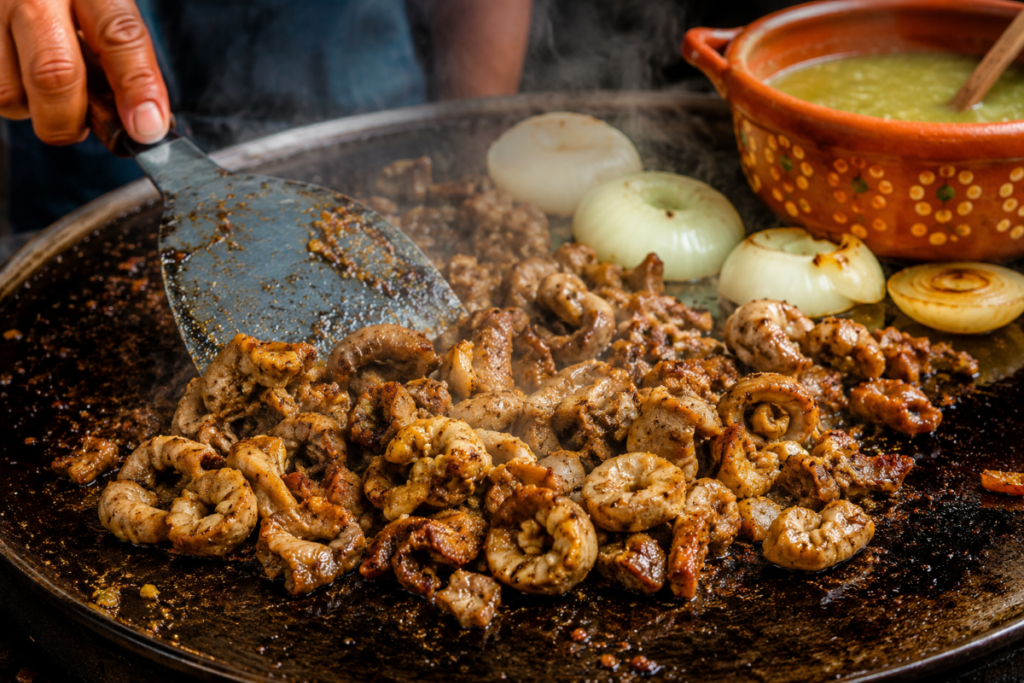
After simmering until tender, the tripas are finished on a hot comal to develop the crispy edges and deep flavor that make this traditional taco filling a taquería favorite
Traditional Toppings for Tripas Tacos
Tripas don’t need much to shine.
Most taquerías keep the toppings simple so the flavor of the meat remains the focus.
Classic toppings include:
- Diced white onion
- Fresh cilantro
- Lime wedges
- Salsa roja
- Salsa verde
- Grilled onions
- Radishes
The combination of rich meat, fresh herbs, bright citrus, and spicy salsa creates the balance that makes street tacos so satisfying.
Resist the urge to overload them.
A good tripas taco is all about letting the meat do the talking.
Storage & Reheating
How to Store
Store leftover tripas in an airtight container in the refrigerator for up to 4 days.
How to Reheat
Warm in a skillet over medium heat until heated through.
For crispy tripas, reheating in a skillet works much better than using a microwave.
Can You Freeze Tripas?
Yes.
Allow the cooked tripas to cool completely before transferring them to a freezer-safe container.
Freeze for up to 3 months.
Thaw overnight in the refrigerator before reheating.
My Go-To Tools for Mexican Cooking
These are the tools I personally recommend for building real Mexican flavor at home — the kind that gets stained with salsa, smells like toasted chiles, and actually gets used instead of sitting pretty on a shelf.
Cast Iron Tortilla Press — Fresh tortillas make every taco night better.
Cast Iron Skillet (Comal Alternative) — Perfect for searing meats, roasting vegetables, and building flavor.
Tortilla Warmer — Keeps tortillas warm, soft, and ready for serving.
Non-Stick Comal — One of the most useful tools for tortillas, chiles, vegetables, and taco prep.
Ninja Professional Blender (1000W) — Essential for salsa roja, salsa verde, marinades, and sauces.
Granite Molcajete — The traditional way to make salsa with incredible texture and flavor.
Wooden Rolling Pin — A versatile kitchen staple that always earns its keep.
Lodge 6-Quart Enameled Dutch Oven — Perfect for slow-cooked meats like cabeza, barbacoa, birria, and countless Mexican stews.
Frequently Asked Questions
What are tripas tacos?
Tripas tacos are Mexican tacos made with beef intestines that have been cleaned, cooked, and typically finished on a griddle before serving.
Are tripas tacos made from intestines?
Yes. Traditional tripas are made from beef intestines that are thoroughly cleaned and cooked before being used as a taco filling.
What do tripas taste like?
Tripas have a rich, beefy flavor. When crispy, they develop a deeper roasted flavor and crunchy texture.
Are tripas tacos crispy or soft?
Both styles are traditional. Some taquerías serve them soft and tender, while others cook them until crispy.
Why do taquerías cook tripas twice?
The first cooking tenderizes the tripas. The second cooking adds texture, browning, and flavor.
Can you freeze cooked tripas?
Yes. Cooked tripas freeze well for up to three months when stored properly.
Are Tripas Healthy?
Tripas are naturally high in protein and contain nutrients like iron and vitamin B12. Like many traditional taco fillings, they’re best enjoyed as part of a balanced diet alongside fresh toppings, tortillas, and vegetables.
More From The Half Jalapeño
If you’re exploring traditional Mexican tacos, these recipes belong on your list next.
Taco Series Hub — Follow the Taco Train from beginning to end and discover authentic tacos from across Mexico.
Suadero Tacos — Mexico City’s legendary griddled beef taco with rich flavor and crispy edges.
Campechano Tacos — The perfect combination of beef and chorizo that’s become a taquería favorite.
Lengua Tacos — Incredibly tender beef tongue tacos that surprise almost everyone who tries them.
Cabeza Tacos — Slow-cooked beef head tacos known for their rich flavor and melt-in-your-mouth texture.
Barbacoa Tacos — Juicy shredded beef cooked low and slow until fork tender.
Cecina Tacos — Salt-cured beef tacos with deep flavor and roots in central Mexico.
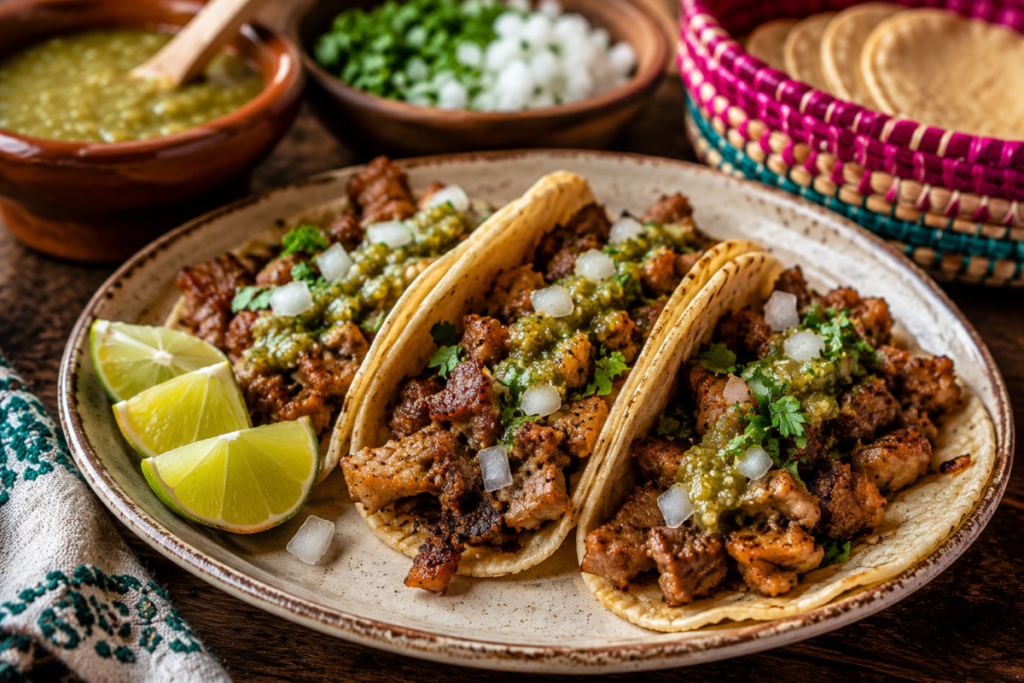
Crispy on the outside, tender on the inside, tripas tacos showcase why this traditional taquería favorite has inspired passionate debate among taco lovers for generations
The Final Bite
Tripas tacos aren’t trying to be everyone’s favorite taco.
They’re a taco built on tradition, technique, and a long history of making the most of every part of the animal with respect and purpose. Whether you prefer them soft and tender or fried until crispy, tripas deliver a flavor and texture that’s earned them a loyal following in taquerías across Mexico.
The only real way to settle the debate is to make a batch yourself.
Try them soft. Try them crispy.
Then pick a side.
Buen provecho,
Join the Comal Crew
Ready for more?
Join the Comal Crew and get Hot Off the Comal every Tuesday at 9 a.m. — new recipes, deep-dive stories, kitchen tips, and the flavor-first Mexican cooking you won’t find anywhere else.